
It’s always wise to check with your doctor — she should be able to help you decide whether it is best for you to cut back or to abstain. People who are dependent on alcohol, or have other medical or mental health problems, should stop drinking completely. Join our supportive sober community where each day becomes a step towards personal growth and lasting positive change. However, you should also pay attention to whether drinking at home encourages you to drink alone or to hide your alcohol use from others.
Effective Methods for Preventing Substance Use
Because addiction can affect so many aspects of a person’s life, treatment should address the needs of the whole person to be successful. Counselors may select from a menu of services that meet the specific medical, mental, social, occupational, family, and legal needs of their patients to help in their recovery. The Substance Abuse and Mental Health Services Administration (SAMHSA) assesses recovery through the assessment of an individual’s physical health, mental health, family and social relationships, housing stability, perception of care, access, and retention. This administration introduced a combination of abstinence and improvements in 3 dimensions of the 7 functional dimensions as the sign of recovery (13). “Creating structure through regular exercise, proper nutrition, and consistent sleep patterns gives recovering alcoholics stability during a challenging time,” de Souza Lage said. Physical health alcoholism directly influences mental well-being and resilience against cravings.
What are the Steps Involved in TSM?
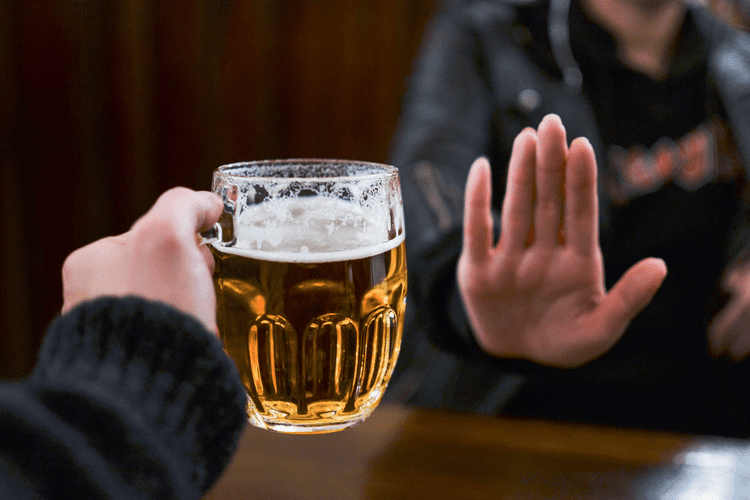
Among the 1980 available therapeutic apps, chronic disease management is the most common type of app 5. Addiction recovery support apps fall into this category, with substance use disorders for some people being categorized as a chronic condition 6,7. These apps offer personalized recovery monitoring and easy access to online support communities 8-16. Positive health effects include improved emotional regulation, reduced stress levels, and increased motivation to maintain sobriety. Twelve-step programs offer a structured approach to overcoming addiction, emphasizing peer support and personal accountability, with open discussions about alcohol addiction playing a key role in recovery.
Inpatient Rehabilitation at Conifer Park: A Structured Path to Recovery
This approach empowers individuals to anticipate and manage challenges effectively. Addressing triggers supports the prevention of relapse, as it allows individuals to stay sober and cut cravings. This advances mental health, and emotional well-being, and lowers the risk of alcohol-related diseases. Key steps to alcohol addiction recovery are acknowledging the problem, seeking professional guidance, and building a supportive network. Strategies such as setting clear goals, avoiding triggers, and engaging in healthier routines are crucial. Approximately 8.6% of individuals aged 12 to 20, that is 3.3 million people, reported engaging in binge drinking within the past month as recorded in the 2023 National Survey on Drug Use and Health (NSDUH).
- Doxycycline stays in your system based on factors like dosage, metabolism, health, food intake, and organ function, affecting its duration.
- Research indicates that individuals who participate in structured treatment for at least one year have a higher likelihood of maintaining sobriety compared to those who discontinue therapy prematurely.
- Learned healthy coping was the fourth attribute of the theoretical phase of concept analysis.
- Yes, TSM can be used with other medications, but compatibility depends on the specific drugs involved.
Co-Occurring Disorders and the Sinclair Method

Many individuals seeking recovery prefer alternative methods that allow them to maintain their daily responsibilities while addressing their alcohol dependency. Speaking with professionals at an alcohol detox facility can provide valuable insights into these options even if you ultimately choose a non-residential path. This article explores effective alternative approaches including support groups, various therapy options, essential lifestyle modifications, practical self-help techniques, and healthy coping strategies that can build a solid foundation for lasting recovery.
Understanding Risk and Protective Factors
Disulfiram creates unpleasant reactions, such as nausea and headache, when alcohol is consumed, discouraging relapse. Acamprosate helps restore neurochemical balance in the brain, easing withdrawal symptoms and preventing alcohol-related anxiety. Using an instrument designed to measure patient problems and severity on multiple dimensions (the Addiction Severity Index), McLellan et al 103–105 found that when services are matched to problem areas, both naturalistically and prospectively, outcomes on these dimensions improve. The authors acknowledge that other treatments, including inpatient or residential programs, prevention programs, and self-help programs such as Alcoholics Anonymous (AA) do have some evidence for effectiveness.

Professional Associations of Medical and Nonmedical Addiction Specialists
If people stop following their medical treatment plan, they are likely to relapse. The American Society of Addiction Medicine (ASAM) made a distinction between recovery and remission. There are numerous references to the term alcoholism treatment recovery in the literature and it is generally defined as an outcome of treating chronic disorders such as addiction (3-5).
We conducted sensitivity analyses (not reported) that made the conservative assumption that all missing effect sizes were equal to zero. The results were substantively similar to those reported here; thus, we are fairly confident that omitting those studies did not bias our results. Drug and alcohol detox both work to eliminate harmful substances from the body, but they differ in certain ways. After detox, you may experience physical symptoms like nausea, headaches, and fatigue, along with emotional challenges such as anxiety and mood swings. Learn factors influencing stay length, what to expect, and how to achieve lasting recovery.